Entering a honey competition isn’t just about medals or shiny labels. It’s about putting your product to the test, gaining recognition, and opening new doors — both in the market and within yourself as a producer.
As certified honey tasters and judges, we taste hundreds of honeys every year. Many are excellent — but some never make it past the first round for reasons that have nothing to do with nature and everything to do with avoidable choices.
Let’s break down what really makes a honey stand out, and how you can prepare for success.
Why Enter a Honey Competition?
For a beekeeper or honey producer, an award can be:
-
A mark of credibility and quality
-
A tool for market differentiation
-
A boost for export potential
-
A motivation for continuous improvement
But none of that matters if your sample isn’t ready to shine. Here’s how to give your honey the best possible chance.

How Is Honey Judged?
Most serious competitions follow structured evaluation protocols, often based on international standards. A judging panel typically assesses:
-
Visual clarity (transparency, cleanliness, color, texture)
-
Aroma (intensity, purity, floral/herbal/woody notes)
-
Taste (balance, finish, flavor expression)
-
Mouthfeel (body, crystallization, uniformity)
-
Uniqueness (especially in gourmet or innovation categories)
⚠️ Note: Judges are trained to recognize specific varietals. If a honey lacks identity or appears mixed, it may lose clarity and points — no matter how good it tastes.
How to Stand Out – Five Key Steps
1. Clarity is Key
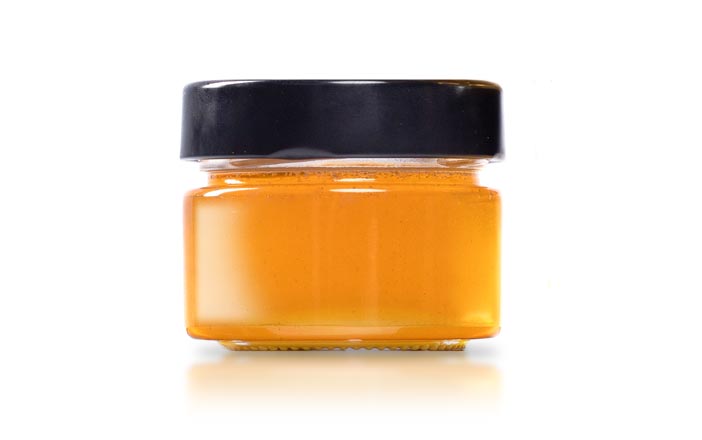
Even a top-quality honey can be downgraded if it contains visible particles, wax remnants, or trapped air bubbles. Judges first see the jar — and that first impression counts.
Pro tip:
After extraction, filter using fine INOX filters. Let the honey rest in a ripening tank for at least 2 weeks, then transfer it to a clean jar. Allow it to settle for 48 hours at 20–22°C. This helps bubbles rise and gives your honey a calm, clear appearance.
2. Submit a Distinct Varietal
Mixed honeys (e.g., thyme + pine or floral + cotton) can be delicious but difficult to score. Especially in international contests, judges compare like with like: pure thyme with thyme, fir with fir, etc.
Pro tip:
Submit a monofloral honey with a strong identity. If unsure, consider a melissopalynological analysis (pollen test), or a pre-evaluation by a certified honey sommelier.

3. Mind the Texture – Especially Crystallization
Many honeys — like sunflower, cotton, or citrus — tend to crystallize quickly. That’s normal, but if your sample is half-liquid, half-solid, it creates confusion in both appearance and mouthfeel.
Pro tip:
Send your honey either fully liquid or fully crystallized (smooth and uniform). If you opt for crystallized, make sure it’s creamy and spreadable — not grainy or layered.
4. Label and Category Must Match the Content
This is one of the most common and critical errors. For example, submitting an oak honey under the pine category — or labeling a blend as “thyme” because it smells floral — creates a mismatch that hurts your score.
Pro tip:
Label your honey honestly and submit it in the correct category. If you’re unsure, ask an expert — it’s better to go neutral than to mislead.
5. Clean Packaging = Professional Image
The jar should be spotless. No sticky lids, no label smudges, no foreign residue. It may sound obvious, but we’ve seen everything from dusty lids to traces of propolis or even pet hairs (!).
Pro tip:
Treat your competition sample as you would a gift to a queen. It shows respect — for the judges, and for your own craft.
❌ Common Mistakes That Cost Points
-
Presence of foreign materials: wax, pollen clumps, hairs, dust
-
Off-odors: plastic, soap, oregano (from reused jars), or chlorine
-
Poor timing: sample arrives too late or damaged by heat/cold
-
“Gimmicky” presentation: honey with herbs or comb fragments in competitions for pure honey
🥇 What Makes a Honey Win?
Winning honeys share these traits:
-
Authenticity
-
Clear varietal character
-
Harmonious aroma, taste, and texture
-
A well-prepared and attractive presentation
It doesn’t have to be the boldest or rarest honey. It just needs to be clean, honest, and cared for — from harvest to jar.

🐝 Final Thought
An award isn’t the goal. It’s the result of thoughtful beekeeping, careful harvest, and deliberate preparation.
If your honey is truly good, and you treat it with the attention it deserves, it will speak for itself — spoonful by spoonful.
📩 Have questions about submitting your honey to a competition?
Honey Experts offers consulting and sensory evaluations for producers and professionals.